
*Updated in 2026*
What Is DMAA?
It is a powerful synthetically produced neural stimulant that can cause a sudden increase in intense energy like other stimulants such as caffeine, but does so in a different manner and by different mechanisms in the brain. It is used pre-workout, and in fat burners. Most users love the way it makes them focus and increases mental performance. This is why it is the most popular ingredients in the sports nutrition industry at this time.
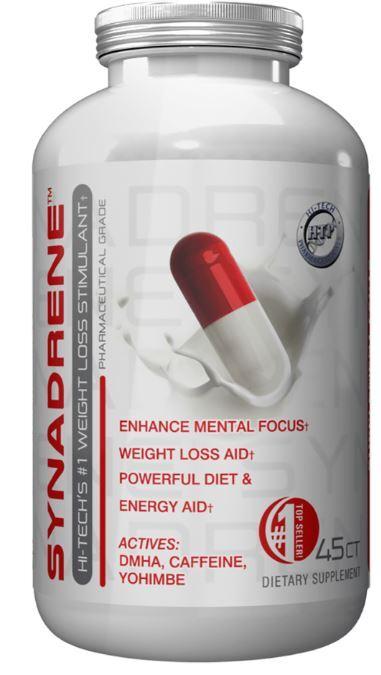
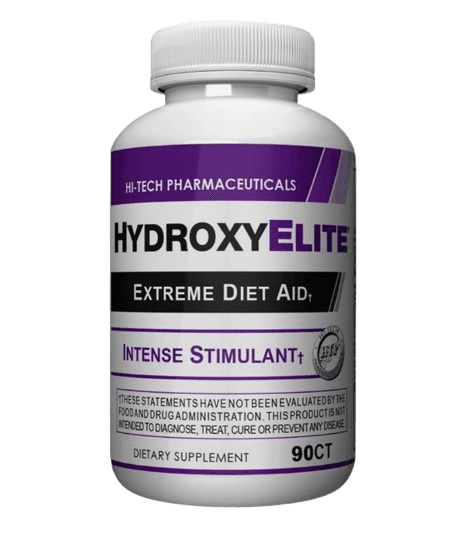
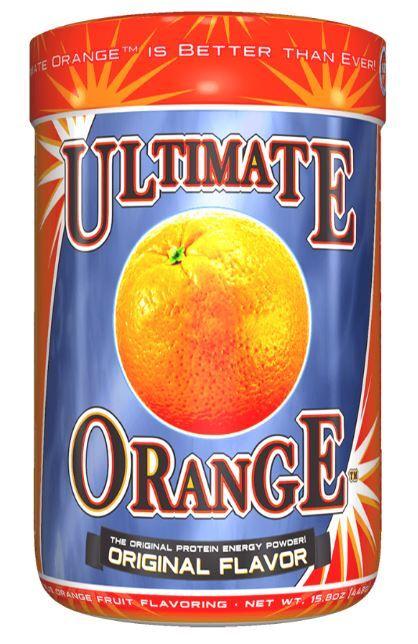
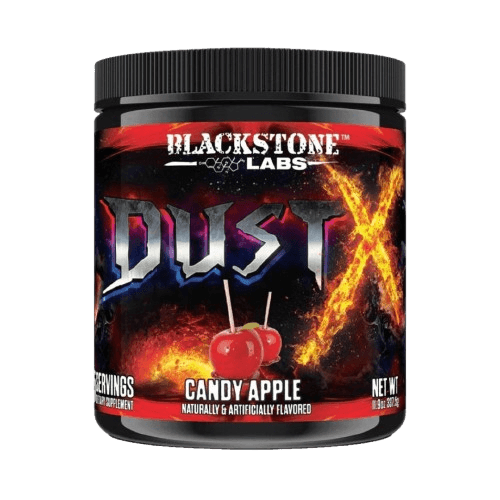
DMAA products now are out of stock and not available currently, but there is a new formula called DMHA that provides the same results!
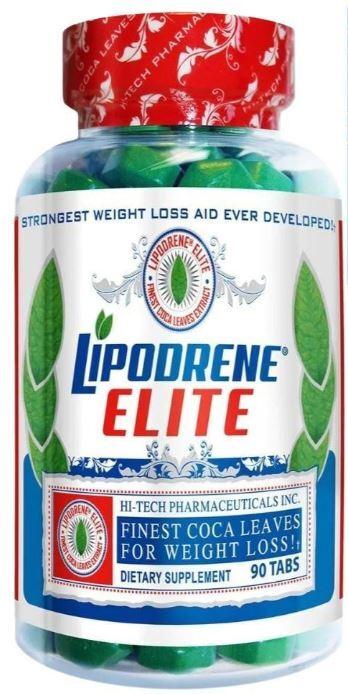
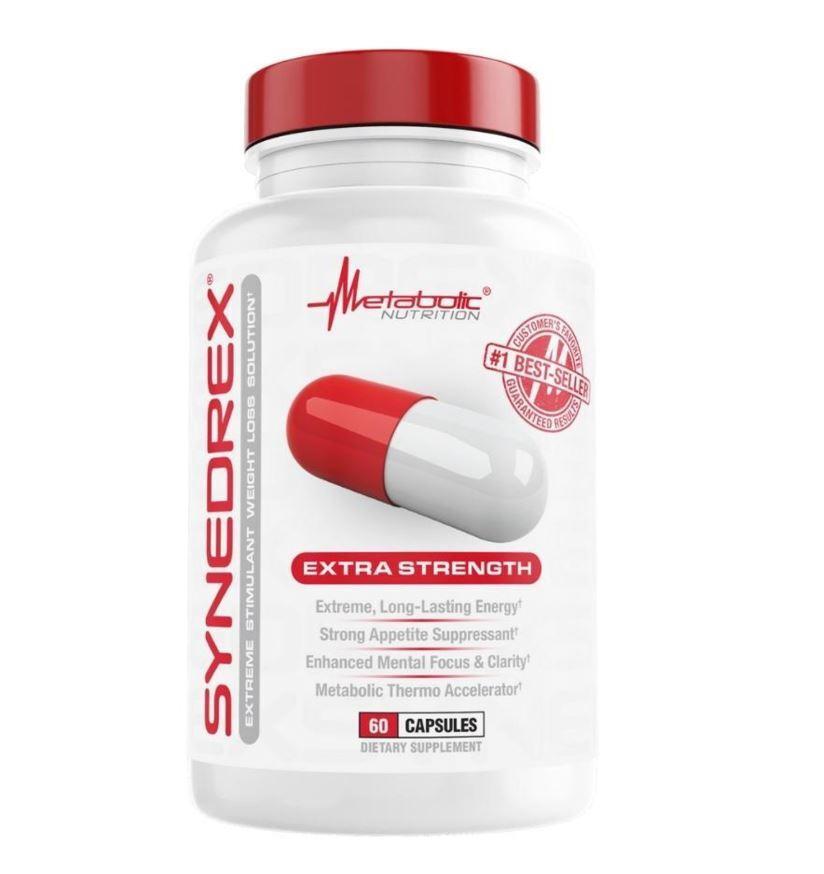
Top DMHA Supplements
Is 1,3 DMAA legal in the US military?
Although DMAA is not classified as a controlled substance, it is prohibited by the Department of Defense and not permitted for use by U.S. military personnel; service members should consult their command or medical staff regarding current policy.
DMAA vs. Ephedra - What is the difference?
Ephedra is a weight loss and energy compound that was very popular in the 90’s and early 2000’s. The alkaloids of ephedra were banned for sale in 2004. The ephedra seen on the market today does not contain the alkaloids. DMAA is often used as an alternative to ephedra due to its effects on energy levels and mental focus. DMAA does not have the same weight loss effects that ephedra once had.
Are there similar supplements to 1,3 DMAA?
No. What you can find is products with DMHA, the new sister component to DMAA. DMHA, or dimethylhexylamine is a stimulant compound very similar to DMAA but is less severe than DMAA. It gives the same results and works the same way.
What can you stack 1,3 DMAA with?
Historically, 1,3-DMAA was commonly stacked with caffeine and other stimulants in pre-workout and fat-burner formulas; however, these combinations raised significant safety concerns, and DMAA is no longer legally permitted in dietary supplements sold in the United States.
Will taking 1,3 DMAA make you fail any sort of drug test?
1,3-DMAA may cause false positives on certain drug tests due to its structural similarity to amphetamines, and its use is generally discouraged for athletes or individuals subject to drug testing.
Does 1,3 DMAA cause weight loss?
DMAA does not directly cause weight loss, and there is no reliable evidence supporting it as a safe or effective fat-loss ingredient.
Would 1,3 DMAA be considered a stimulant?
Yes. 1,3-DMAA is a powerful stimulant that can cause a sudden, intense boost in energy and alertness, similar to caffeine, but does so in a different manner and by different mechanisms in the brain.
Is dimethylamylamine the same as DMAA?
Yes, dimethylamylamine is another name for DMAA, also known as 1,3-dimethylamylamine or methylhexanamine.
Can you get withdrawals from 1,3 DMAA?
Many people start and stop DMAA without effects. Your workouts may not be the same without DMAA but there does not appear to be withdrawal effects.
How long does DMAA stay in your system?
The exact amount of time DMAA stays in the body isn’t well established; however, it is generally believed to clear the system within about 24 hours, though limited research makes it difficult to confirm precisely.
1,3-DMAA Dosage: Is Any Amount Considered Safe?
There is no established “safe” or recommended dosage for 1,3-DMAA in humans, and the FDA has stated that DMAA is not a lawful dietary supplement ingredient in the U.S. Historically, products that contained DMAA commonly listed about 25–75 mg per serving, but label amounts and safety cannot be assumed.
What are the benefits to taking 1,3 DMAA?
- Increases energy
- Improved focus and mental performance
- Sense of wellbeing and euphoria
What are the negative side effects of 1,3 DMAA?
- Increased blood pressure
- Jitters
- Crash
Can DMAA cause anxiety?
If you're someone who suffers from anxiety it is not recommended that you take DMAA becuase since it is a stimulant it may worsen anxiety. It is always recommended to be cautious and consult a healthcare professional.